
The Great Barrier Reef
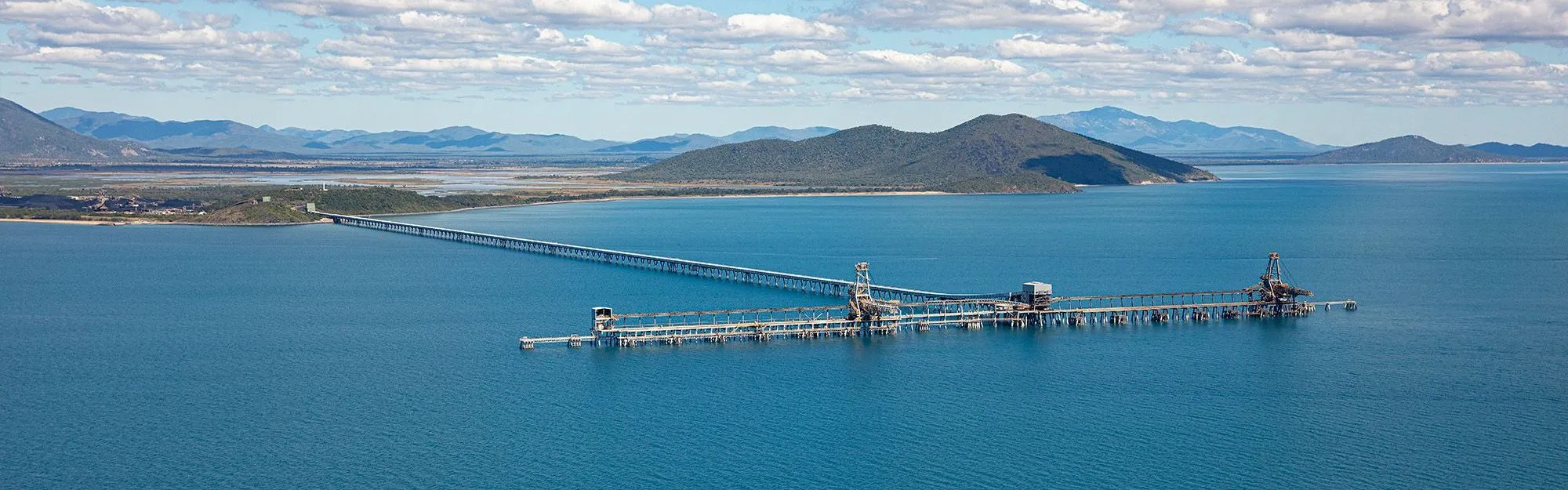
NQXT is located adjacent to the Great Barrier Reef World Heritage Area (GBRWHA) but is 53 kilometres from the closest point of the Great Barrier Reef.
The GBRWHA extends from the top of Cape York in northeast Australia to north of Bundaberg, and from the low water mark on the Queensland coast to the outer boundary of the Great Barrier Reef Marine Park (GBRMP), which is beyond the edge of the continental shelf. The GBRWHA covers 348,000 square kilometres in size.
Our operations adhere to international and domestic laws that regulate the movement of ships to protect the marine environment.
The Great Barrier Reef Marine Park Authority (GBRMPA), along with the Australian Maritime Safety Authority (AMSA) and Maritime Safety Queensland (MSQ) manage and enforce these regulations.
Our port operator works closely with the port authority North Queensland Bulk Ports (NQBP) to care for the local marine environment. Biannual beach monitoring and annual marine sediment sampling is undertaken to monitor the controls in place to protect the overall health of the marine environment, which includes nesting beaches for turtles; feeding grounds for dugong; and migratory routes for humpback whales.
In addition, NQBP runs one of the largest seagrass monitoring programs in the world and a comprehensive turtle breeding monitoring program on the beaches to the south of the Terminal.