
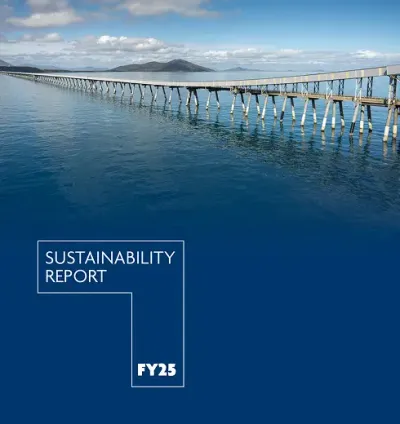
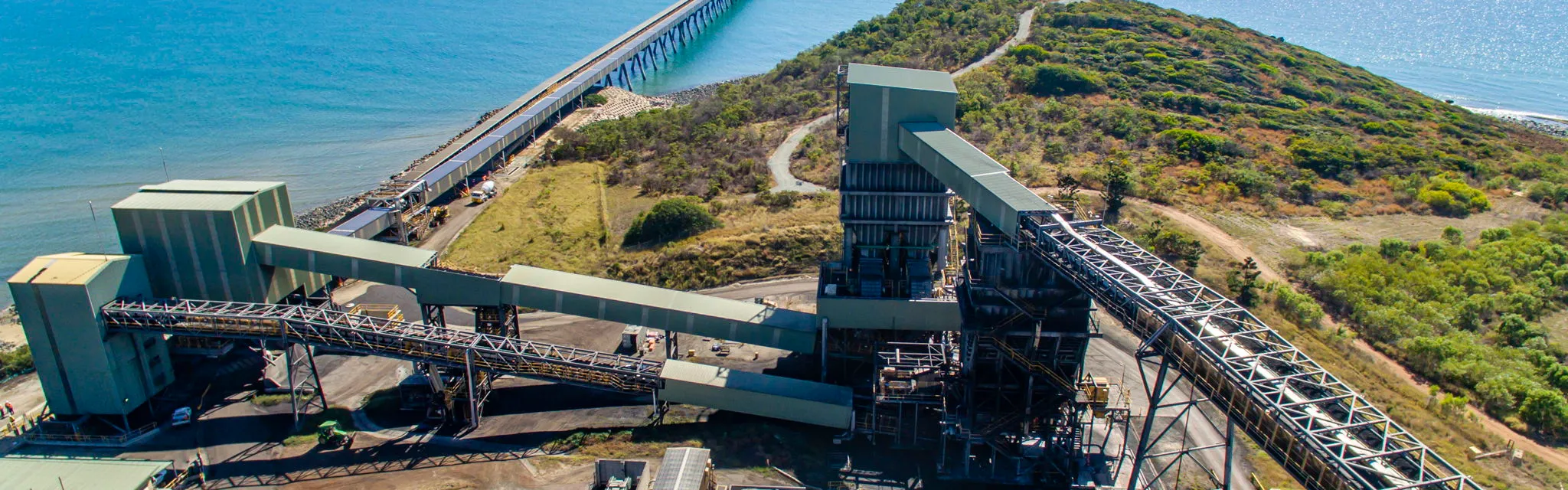
The North Queensland Export Terminal’s location as Australia’s northernmost coal terminal in naturally occurring deep water provides significant strategic benefits for the export of Queensland’s commodities.

As the Terminal is located in tropical north Queensland, it is important that it can withstand tropical cyclones and periods of heavy rainfall which commonly occur in the wet tropics.

Our asset monitoring and maintenance program ensure the ongoing safe operation of its six 40-metre-tall stacker-reclaimers, 2.75-kilometre trestle jetty, two shiploaders, and other infrastructure.

Cyclone preparedness and resilience are a fundamental part of the Terminal’s operations.

Our team is well practised in planning and preparing for the possibility of storms, cyclones and heavy rain.

Each October the Terminal’s Severe Weather Committee oversees cyclone season preparations and reviews and tests the Terminal’s systems, people, processes and infrastructure.

The Severe Weather Committee remains a consistent forum throughout the wet season so we understand the weather forecast and any potential impacts, and are able to effectively coordinate a response as required.

Routine structural inspections are undertaken of the Terminal’s fixed assets to monitor the integrity of surface protection of steel structures.

APO uses technology such as drone inspections and robotic arms to maximise safety, efficiency and data collection in the maintenance of our equipment. These techniques deliver significant benefits for the Terminal’s operations, which include:

  • Minimisation of down time: Remote access technology is quick to mobilise and inspections can be completed while the machines are still online eliminating down time. For example, previously inspection of a shiploader would take up to two weeks of down time to allow for scaffolding to be set up and removed, compared to the 4-5 days for a full drone inspection.
  • Fast and extensive data collection: Data collection using drones is fast and extensive. During the last shiploader inspection the drone captured up to 30,000 photos per shiploader.
  • Elimination of high-risk work exposure: Drone inspections limit the high-risk work exposure that constructing scaffolding and working from rope access can bring. From dropped object risks to falls from heights, multiple critical safety risks are eliminated for our workers.