
Safe Shipping
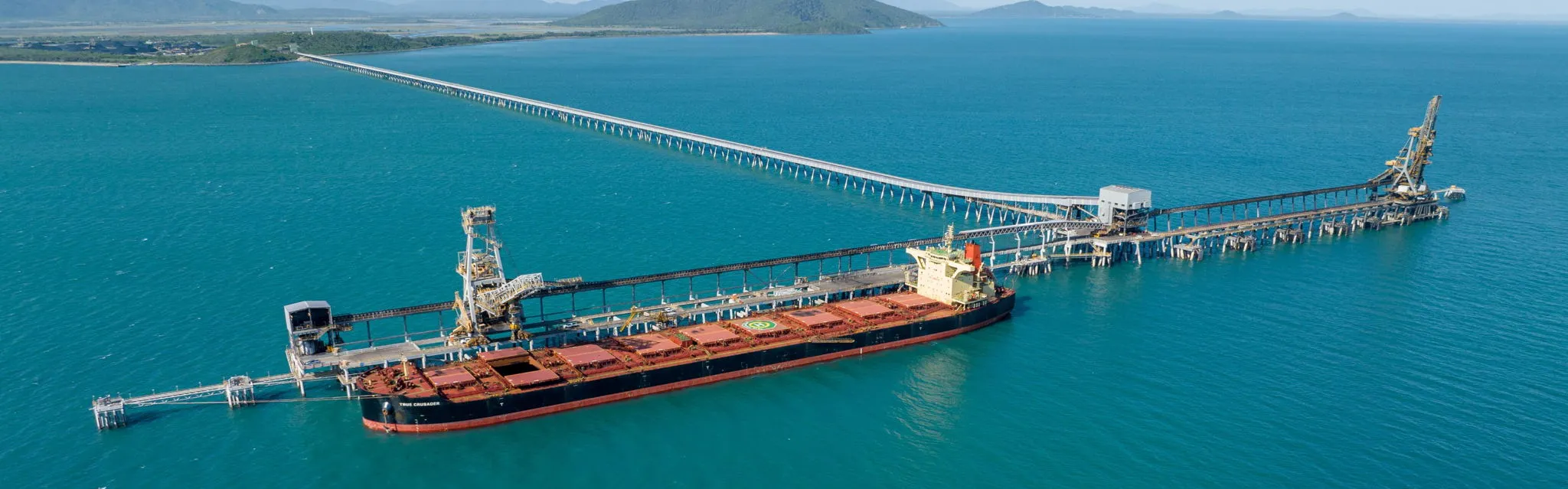
The Terminal has operated safely and sustainably since 1984 in an area adjacent to protected and sensitive terrestrial and marine environments.
Our extensive and rigorous policies and practices ensure that we uphold the highest standards of safe and efficient shipping, including stringent shipping vetting process for all ships coming to the Terminal.
AMSA and MSQ monitor commercial vessels in the Great Barrier Reef and Torres Strait using the 24/7 vessel tracking system known as Great Barrier Reef and Torres Strait Vessel Traffic Service, better known as Reef VTS.
Reef VTS requires all vessels (including those on overseas, interstate, or intrastate voyages) to identify themselves and their intended passage through the Great Barrier Reef and Torres Strait region. The ships are continuously tracked using radar, satellite, and other maritime sensors while the staff at Reef VTS control centres in Townsville and Gladstone are on hand to provide navigation advice and a quick response to any safety or pollution incident. Reef VTS has a proven track record of mitigating the risk of ship groundings along the northern coast of Queensland.
MSQ also oversees the local ships pilots, who are experienced ships captains, who travel out by boat or helicopter from ports along the Queensland coast to meet ships and assist their crews to safely navigate them into port.
Operating in harmony with our marine habitat for more than four decades
Our underwater structures – such as pilings, docks, and pipelines – are more than just essential components of the Terminal; they are thriving marine habitats. These structures offer shelter, breeding grounds, and surfaces for algae and other organisms to grow and support a healthy and diverse marine ecosystem. The waters around the Terminal are rich in sea life. It is not uncommon to see squadrons of twelve or more manta rays gliding through the waters.
The Terminal has run an annual Marine Sediment Monitoring (MSM) Program since 2014. The program is designed to assess whether offshore maintenance activities – particularly abrasive blasting and painting – are effectively managed to protect and the marine environment. Each year, samples are collected from up to 27 locations near offshore infrastructure and analysed by a NATA-accredited laboratory, following strict Queensland and national environmental guidelines. Over the past decade results have complied with the relevant guidelines, which demonstrates that operational control measures are effective.
Supporting infrastructure
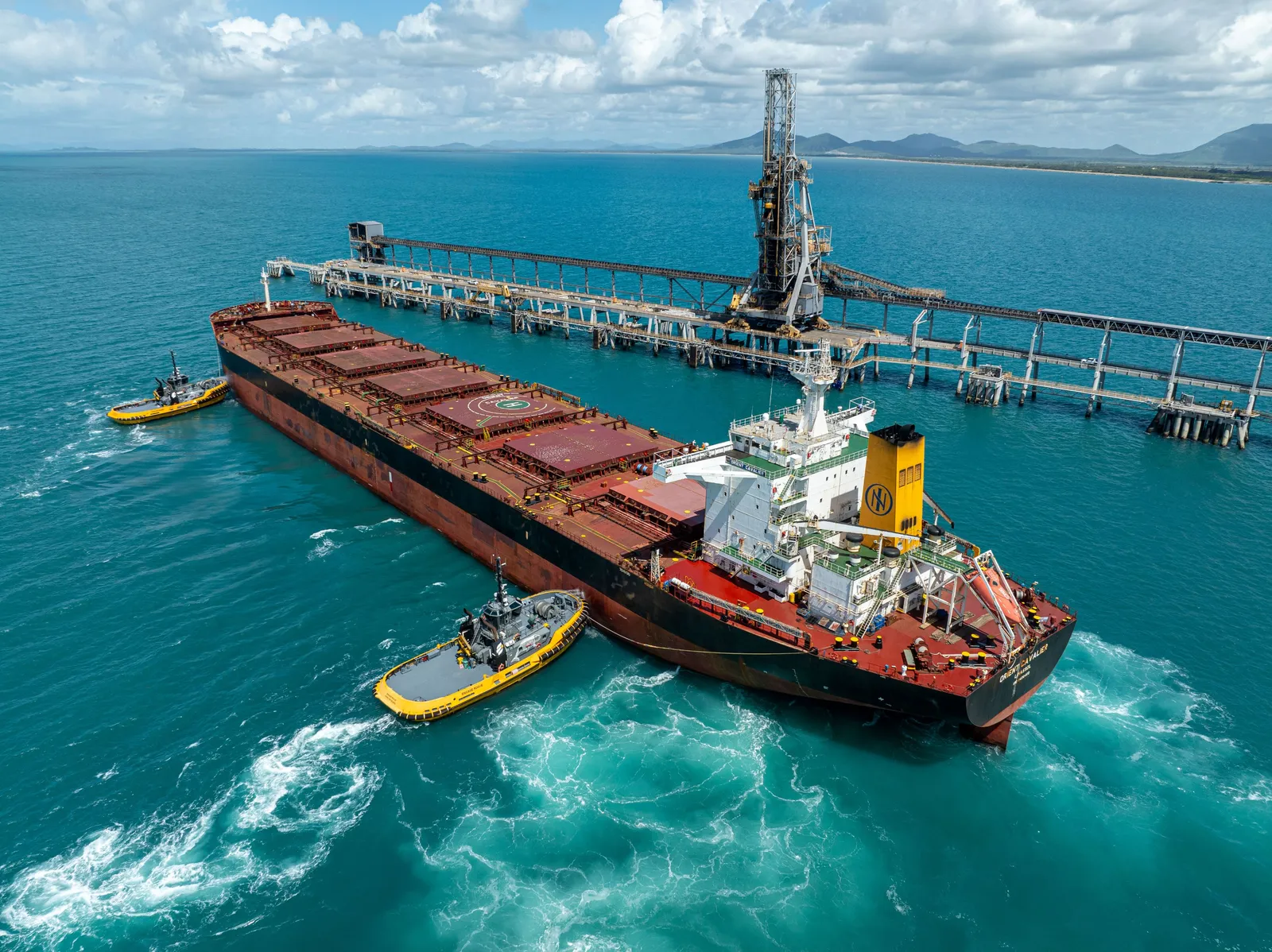
The two berths at the Terminal each have a shiploader with dust control features to safely and securely load coal into ship’s cargo holds. Once the coal is loaded into the ship, the cargo hold is securely sealed.
We enforce strict controls to prevent contaminants entering the marine environment when work is carried out maintenance work on offshore infrastructure such as the jetty and conveyors.
Our port operator undertakes regular inspections of both offshore infrastructure and activities and offshore maintenance and repairs to make sure all are in line with approval conditions.
We operate in a way that ensure we co-exist with local ecosystems so they can continue to have flourishing populations of migratory and resident shore birds and marine life.